
Hiring a professional landscaper can transform your outdoor space into a functional, beautiful, and well-maintained area. While many homeowners take pride in handling yard work themselves, there are specific instances where working with a professional becomes essential. Below, we explore scenarios when hiring an expert landscaper is the best decision for your outdoor needs.
1. Large-Scale Landscaping Projects
If your project involves a complete redesign or significant changes to your property, such as installing hardscapes (patios, pathways, retaining walls), water features, or irrigation systems, a professional landscaper is invaluable. These large-scale projects require expertise in design and execution to ensure durability and aesthetic appeal.
Some examples of large-scale projects include:
– Installing an outdoor kitchen or entertainment area
– Building decks or pergolas
– Designing multi-level garden terraces
Professionals can handle zoning regulations, permits, and other complexities that come with big landscaping undertakings.
2. Lack of Time or Expertise
Maintaining a vibrant landscape requires ongoing care. If you’re short on time or lack the skills to handle specific tasks like pruning trees correctly or managing soil health, it’s better to hire a professional landscaper who can provide consistent maintenance while ensuring proper techniques are used.
Common tasks they handle:
– Seasonal cleanups (spring/fall)
– Lawn aeration and fertilization schedules
– Pest and weed control
This allows you to enjoy your yard without worrying about upkeep.
3. Specialized Design Requirements
Every property is unique, which means designing an outdoor space often requires custom solutions that balance functionality with creativity. A professional landscaper brings knowledge of plant species suitable for your climate and soil type while incorporating elements that align with your preferences.
Key considerations include:
– Selecting drought-tolerant plants for water conservation
– Creating garden zones (e.g., flower beds separate from vegetable gardens)
– Incorporating energy-efficient lighting features
They use tools like CAD software or design sketches to help visualize the end result before work begins.
4. Erosion Control and Drainage Issues
Poor drainage can lead to unnecessary expenses due to water damage on both hard and soft landscaping elements. Addressing issues like flooding spots in the yard or soil erosion near slopes is another situation where professionals excel.
Techniques they may implement:
| Issue | Solution Options |
|——————|———————————————-|
| Soil erosion | Retaining walls; planting ground covers |
| Poor drainage | French drains; dry creek beds; rain gardens |
These solutions not only prevent damage but also enhance the overall layout of your property.
5. Enhancing Property Value Before Selling
If you’re planning to sell your home, investing in landscaping improvements can significantly increase curb appeal and resale value. A well-maintained landscape makes an excellent first impression on potential buyers.
Some services professionals offer in this case include:
– Lawn revitalization (re-seeding or sod installation)
– Adding eye-catching elements like flower beds around walkways
– Trimming overgrown trees and shrubs
Final Thoughts
Knowing when to hire a professional landscaper comes down to understanding the scope of work needed versus what you can manage on your own. Whether it’s tackling complex designs, resolving functional issues like drainage concerns, or maintaining an immaculate lawn year-round for aesthetic value—landscaping experts provide tailored solutions that save both time and effort while delivering stunning results tailored specifically for your needs.
Expert Tips from Top Landscapers Boston for Your Next Project
Landscaping is more than just planting trees or installing a patio; it’s about creating a harmonious outdoor space that blends aesthetics and functionality. While many homeowners may attempt to handle their landscaping needs independently, hiring a professional landscaper offers numerous advantages due to their specialized expertise. Below, we explore the critical role that expertise plays in landscaping projects and how professionals can provide value.
The Importance of Hiring a Skilled Boston MA Landscaper
- Professionals assess the unique layout and conditions of your property, including soil type, climate, and drainage considerations.
- They create detailed blueprints or plans customized for your specific goals and needs.
- Blending hardscaping (e.g., patios, retaining walls) with softscaping (e.g., plants, lawns) becomes seamless under expert guidance.
- Experts understand local plant species that thrive in your region’s climate, reducing the risk of plant failure.
- They consider factors like sunlight exposure, soil pH levels, water requirements, and seasonal changes when recommending plants.
- A skilled landscaper knows how to use materials efficiently without compromising on quality or design.
- They can optimize water usage by designing irrigation systems tailored to your landscape’s needs.
- Whether addressing drainage problems or uneven terrain challenges, professionals have the tools and knowledge to implement effective solutions.
- They prevent costly mistakes that could arise from DIY attempts due to lack of experience.
Advantages of Hiring a Boston MA Landscaping Company
| Benefit | Description |
| Cost Efficiency Over Time | Avoid expensive mistakes; professionals get it right the first time |
| Enhanced Curb Appeal | Boosts property value through functional yet beautiful designs |
| Increased Longevity | Durable installations ensure landscapes remain attractive for years |
| Access to Specialized Tools | Tools like aerators or laser levels streamline processes unavailable to DIY |
Real-Life Lawn Care Boston MA Examples Where Expertise Stands Out
Some projects demand technical proficiency that only trained landscapers possess:
– Implementing complex irrigation systems for consistent watering across large properties. – Installing retaining walls that require precise engineering calculations for stability. – Designing slopes or terraces on uneven land while ensuring erosion control.
Key Takeaways
Whether you’re planning a complete backyard transformation or simply want to refresh your garden design, enlisting the help of experienced landscapers ensures high-quality results tailored specifically for your space. By combining technical skills with creative vision, they can transform an ordinary yard into an extraordinary outdoor oasis while saving you significant effort and potential frustration along the way.
How Planning and Design Elevate Your Landscape Dreams
Effective planning and design are the foundation of any successful landscaping project. Whether you’re reimagining a small garden or undertaking a large outdoor transformation, thoughtful preparation ensures that your vision becomes reality while optimizing functionality, aesthetics, and sustainability.
Benefits of Proper Planning
- Clear Vision: A well-thought-out plan helps translate your ideas into actionable steps.
- Efficient Budgeting: Planning allows you to allocate resources wisely and avoid unexpected costs.
- Timely Execution: With a detailed plan, your project is less likely to experience delays or missteps.
- Sustainability: Decisions about materials, plant species, and irrigation systems can align with eco-friendly practices.
Key Elements of Landscape Design
- Layout Design: Organizes spaces for specific purposes such as lounging, dining, or gardening while ensuring seamless flow.
- Plant Selection: Matches plants to climate conditions, soil types, and aesthetic goals for optimal growth and appearance.
- Hardscape Elements: Incorporates features like patios, walkways, retaining walls, and water features to add structure and durability.
- Lighting Strategy: Enhances both safety and ambiance by selecting appropriate lighting solutions for pathways and focal points.
Steps in the Planning Process
| Step | Description |
| Initial Consultation | Define goals for the space (e.g., relaxation area, family-friendly yard) |
| Site Assessment | Analyze site characteristics like soil type, sunlight exposure, drainage patterns |
| Conceptual Design | Develop initial sketches or digital renderings incorporating desired elements |
| Budget Review | Align plans with budget constraints while maintaining quality |
| Final Plan Approval | Confirm materials selection and finalize the timeline |
Why Expert Design Matters
- Professionals have an eye for detail that enhances both functionality and beauty.
- They understand zoning laws and local regulations that may impact your project.
- Experts help you avoid common pitfalls like overcrowding plants or neglecting drainage concerns.
Pro Tips for DIY Planners
- Sketch out your ideas before committing to any purchases.
- Research native plants that thrive in your region with minimal upkeep.
- Break large projects into phases to make them more manageable over time.
By prioritizing thoughtful design from the outset, you’ll create an outdoor space tailored to meet both current needs and future aspirations.
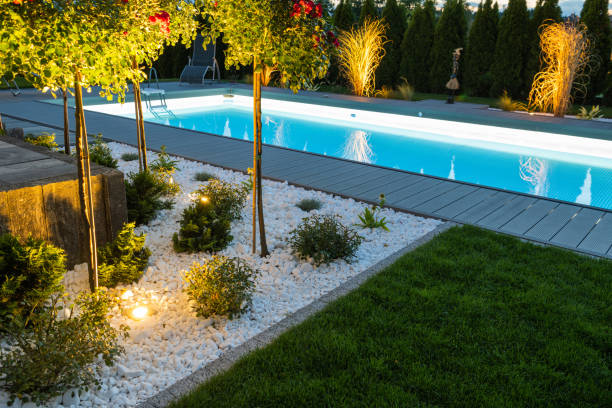
Understanding the Impact of Size and Complexity on Landscaping Projects
Landscaping projects can range from small-scale backyard improvements to extensive commercial developments. The size and complexity of a project play a significant role in determining the time, resources, and expertise required to bring your vision to life. Whether you’re designing a serene garden or tackling a multi-acre landscape transformation, understanding these factors is critical for success.
Factors Influencing Complexity in Landscaping Projects
- Topography: Uneven terrain or steep slopes may require specialized techniques like terracing or retaining walls.
- Soil Quality: Poor soil conditions might necessitate soil amendments or drainage solutions.
- Hardscaping Features: Adding patios, walkways, retaining walls, or water features increases design and installation challenges.
- Plant Selection: Choosing native plants versus exotic species can influence maintenance requirements and overall project difficulty.
- Irrigation Systems: Incorporating an efficient irrigation system involves careful planning to ensure water coverage without waste.
Size Matters
| Project Size | Required Resources | Timeframe | Budget Impact |
| Small (e.g., backyard garden) | Fewer materials; manual tools | Short (1–2 weeks) | Lower cost |
| Medium (e.g., front yard redesign) | Moderate resources; power tools | Moderate (2–4 weeks) | Mid-range budget |
| Large (e.g., estate grounds) | Heavy machinery; large workforce | Long (1+ months) | Significant investment |
Benefits of Hiring Professionals for Complex Projects
- Experience with Challenges
Professionals have extensive knowledge about handling difficult terrains, unusual weather conditions, and unique design requests. - Access to Specialized Equipment
Large-scale projects often require expensive machinery that professionals already own and know how to operate safely. - Efficient Project Management
Experts streamline the process by coordinating teams, sourcing materials, and adhering to timelines. - Compliance with Regulations
Certain elements like fencing height restrictions or stormwater management must meet local codes—a responsibility professionals are familiar with.
Tips for Managing Sizeable Landscaping Projects
- Break down the project into smaller phases for better manageability.
- Invest time in creating detailed plans that outline each stage of development.
- Research zoning laws and permits required in your area.
- Use technology like 3D modeling software for visualizing your ideas before committing to any designs.
By understanding how size and complexity shape landscaping projects, you’ll be better equipped to make informed decisions whether you choose DIY methods or work with industry experts. With proper planning, even the most ambitious visions can be brought beautifully to life.
Building Strong Connections to the Landscaping Industry for Better Results
Establishing strong connections with the landscaping industry is vital for achieving optimal outcomes in your outdoor projects. Whether you’re a homeowner seeking to improve your yard or a property manager planning large-scale upgrades, engaging with trusted professionals and suppliers can make a significant difference. A well-maintained network within the landscaping industry ensures access to quality resources, expert advice, and streamlined project execution.
Benefits of Building Industry Connections
- Having connections with reputable landscapers ensures that your projects are handled by skilled experts who have a deep understanding of plants, soil conditions, and design principles.
- Experienced contractors can provide insights into current trends and innovative landscaping techniques.
- Partnerships with nurseries, stone suppliers, and irrigation specialists allow you to source high-quality materials without exceeding your budget.
- Reliable suppliers are more likely to offer discounts or bundle deals if they recognize you as a returning customer or an established client.
- Networking with landscape architects, designers, and subcontractors helps streamline communication and coordination among different teams involved in complex projects.
- This minimizes delays while ensuring that every aspect of the project is executed to professional standards.
- The landscaping industry evolves with new technology and sustainable practices. Strong relationships keep you updated about eco-friendly materials, smart irrigation systems, or advancements in pest management.
Effective Ways to Build Connections in the Landscaping Industry
- Join Local Trade Associations: Organizations like the National Association of Landscape Professionals (NALP) offer excellent networking opportunities through workshops, events, and seminars.
- Attend Exhibitions & Trade Shows: Events dedicated to landscaping provide valuable exposure to vendors offering tools, plants, and services you might need.
- Collaborate with Local Suppliers: Partnering with nearby nurseries or hardware stores fosters long-term relationships that can lead to exclusive opportunities or discounts over time.
- Engage on Online Platforms: Join online forums or social media groups where landscapers exchange advice; LinkedIn is particularly effective for professional networking.
Example of Industry Networking Benefits
| Resource Type | Benefits | Example Outcome |
| Local Nursery | High-quality native plants | Reduced maintenance costs |
| Professional Designer | Creative garden layouts | Increased property value |
| Equipment Supplier | Access to advanced tools | Faster project completion |
Why Relationships Matter in Landscaping
- You gain access to premium products that elevate your outdoor spaces.
- Your projects benefit from expert knowledge tailored specifically for your region’s climate and soil conditions.
- Potential challenges such as pest infestations or improper installations are mitigated through collaboration with seasoned professionals.
Investing time in cultivating these relationships leads not only to better project outcomes but also fosters trust among professionals who will be eager to assist whenever needs arise in future ventures.
10 Effective Ways to Keep Bugs and Pests Out of Your Beautiful Yard
Maintaining a beautiful yard involves more than just planting and watering. One significant challenge for homeowners is dealing with pests and insects that can damage plants and disrupt the enjoyment of outdoor spaces. Here are ten effective strategies to protect your yard while promoting a healthy, pest-free environment.
1. Encourage Beneficial Insects
Not all insects are harmful to your yard. Beneficial insects like ladybugs, praying mantises, and lacewings prey on common pests like aphids and mites. You can attract these helpful creatures by planting flowers such as marigolds or daisies that act as magnets for beneficial bugs.
2. Maintain Proper Lawn Care
A well-maintained lawn is less likely to attract pests. Regularly mow, aerate, and dethatch your grass to discourage bugs from nesting in overgrown areas. Additionally, avoid overwatering your lawn as it can create damp conditions perfect for pests like mosquitoes.
3. Use Natural Pest Control Methods
Instead of relying on chemical pesticides, consider using natural remedies such as neem oil, garlic spray, or diatomaceous earth to deter pests without harming the environment.
4. Eliminate Standing Water
Standing water serves as a breeding ground for mosquitoes and other water-loving insects. Check for areas in your yard where water pools after rain (e.g., flowerpots, birdbaths) and ensure proper drainage.
5. Install Physical Barriers
Protect vulnerable plants by installing barriers such as netting or row covers during peak pest seasons. These physical barriers prevent insects from reaching foliage while still allowing air circulation and sunlight.
6. Keep Compost Piles Sealed
Compost heaps can attract flies, ants, and rodents if not properly managed. Use sealed compost bins with tight lids to minimize exposure while still allowing organic matter to decompose effectively.
7. Incorporate Companion Planting
Strategic companion planting can naturally repel unwanted pests from your garden beds:
– Basil: Repels flies and mosquitoes when planted near tomatoes or peppers
– Lavender: Deters moths and fleas when grown near doorways or patios
– Mint: Drives away ants when planted along garden borders
| Plant | Common Pests Repelled | Best Pairings |
| Basil | Flies, Mosquitoes | Tomatoes, Peppers |
| Lavender | Moths | Patios |
| Mint | Ants | Garden Borders |
8. Prune Trees and Shrubs Regularly
Overgrown trees or shrubs touching your home create easy pathways for pests like ants or spiders to enter structures or lay eggs near foundation walls.
9. Attract Natural Predators
Invite birds into your yard by placing bird feeders or birdhouses around the property—birds often feed on destructive insects like grubs or caterpillars.
10. Rotate Crops Annually
For vegetable gardens specifically prone to insect infestations (like squash vine borers), rotate crops yearly so that pests do not become accustomed to specific plant species in the same location each season.
By implementing these strategies systematically throughout the year—whether through natural methods like companion planting or proactive measures such as pruning—you’ll create an outdoor space that thrives without being overrun by unwanted visitors.
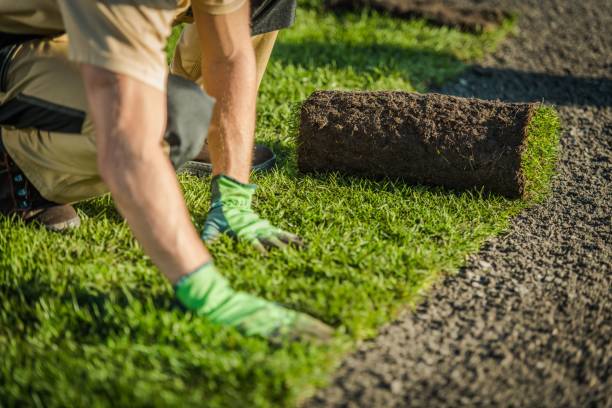
5 Simple and Creative Tips to Upgrade Your Garden Design Today
A well-designed garden can completely transform your outdoor space, making it a more inviting and functional area. Whether you’re looking to refresh an outdated garden or add a touch of creativity, these simple yet effective tips can help you upgrade your garden design today.
1. Incorporate Layered Planting for Depth and Interest
Layered planting is one of the simplest ways to elevate the overall look of your garden while creating depth and dimension.
- Tall Plants: Place taller plants or shrubs at the back of borders or along walls for structure.
- Medium-Sized Plants: Use medium-height plants in the middle layer to bridge gaps between tall and low-growing species.
- Low-Growing Plants: Add ground covers or decorative grasses in the foreground for a polished look.
This technique not only enhances aesthetics but also provides a habitat for pollinators.
2. Add Pathways and Edging
Defining pathways with materials like stones, gravel, brick, or wooden planks is an affordable way to improve functionality while adding charm to your garden. Additionally, use edging around flower beds or vegetable patches to give your space a clean and organized appearance.
| Material | Pros | Cons |
| Gravel | Affordable; easy installation | Requires maintenance |
| Brick | Durable; classic aesthetic | Higher cost upfront |
| Wood Planks | Rustic appeal; eco-friendly | Prone to weathering over time |
3. Use Vertical Gardening Solutions
- Installing trellises for climbing plants like ivy or jasmine.
- Creating a living wall with mounted planters.
- Using hanging baskets filled with colorful flowers or herbs.
A vertical approach not only saves ground space but also allows you to experiment with creative designs on walls or fences.
4. Introduce Water Features
- Ponds with aquatic plants such as water lilies.
- Birdbaths that attract wildlife.
- Self-contained fountains for smaller gardens that don’t require complex plumbing.
Water features are versatile additions that suit gardens of all sizes.
5. Play with Lighting Options
Popular Garden Lighting Ideas:
– String Lights: Hang them along fences or pergolas for a cozy atmosphere. – Solar-Powered Path Lights: Eco-friendly options that highlight walkways. – Spotlights: Illuminate key focal points like statues, trees, or flower beds for dramatic effect.
Look for energy-efficient LED options when upgrading lighting fixtures to reduce long-term costs.
By integrating these creative yet practical strategies into your garden design today, you can create an outdoor retreat that reflects both beauty and functionality without requiring significant investment or effort.
5 Simple and Creative Tips to Upgrade Your Garden Design Today
Enhancing your garden can create a beautiful, relaxing environment for your home while also adding value to your property. Whether you’re looking for simple updates or creative transformations, here are five straightforward tips to refresh your garden design and make it a space you’ll love spending time in.
1. Incorporate Vertical Gardening
If you’re working with limited space or want to create visual interest, vertical gardening is an excellent option. By utilizing the vertical space in your yard, you can add greenery without taking up valuable ground space.
- Install wall planters: These are easy to mount on fences or walls and can hold herbs, flowers, or succulents.
- Use trellises: Add climbing plants like ivy, jasmine, or roses to trellises for a lush and elegant look.
- Repurpose old ladders: Lean an old wooden ladder against a wall and use its steps as shelves for potted plants.
Vertical gardening not only maximizes space but also creates stunning focal points in your garden.
2. Add Outdoor Lighting
- Use solar-powered stake lights along walkways for energy-efficient illumination.
- Hang string lights across seating areas or patios to provide a warm and cozy atmosphere.
- Highlight key features such as trees or water fountains with spotlights for dramatic effect at night.
Outdoor lighting enhances safety while making your garden feel inviting after dark.
3. Create Defined Garden Zones
| Zone Type | Key Features | Purpose |
| Relaxation Zone | Comfortable seating (e.g., hammocks, lounge chairs), fire pits | For unwinding & socializing |
| Vegetable/Herb Garden | Raised beds, trellises | Growing fresh produce |
| Children’s Play Area | Play structures like sandboxes or swings | Safe play area for kids |
| Dining Space | Outdoor table set, shade elements like pergolas | Eating & entertaining |
By creating clear zones tailored to specific activities, you’ll make better use of your outdoor area.
4. Introduce Seasonal Plants
- Spring: Tulips, daffodils, cherry blossoms
- Summer: Lavender, sunflowers, hydrangeas
- Fall: Chrysanthemums (mums), asters, ornamental grasses
- Winter: Evergreen shrubs like holly or juniper
Rotating seasonal plants keeps things fresh while encouraging biodiversity in your outdoor space.
5. Use Mulch Wisely
- Reduces weed growth by blocking sunlight from reaching weed seeds.
- Retains soil moisture by slowing evaporation.
- Provides insulation to protect roots against extreme temperatures.
Choose organic mulches like bark chips or straw for eco-friendly options that also decompose over time to enrich the soil.
Final Thoughts
Transforming your garden doesn’t need to be overwhelming; even small changes can have a significant impact on its overall appeal and usability. By integrating vertical gardening techniques, enhancing lighting elements, defining zones clearly with purpose-driven designs, planting seasonally appropriate flora, and smartly using mulch, you’ll create an inspiring outdoor haven that reflects both creativity and functionality.
- Expert Tips for Choosing the Best Boston Landscaping Company for Your Outdoor Needs
- Boston MA Landscaper: A Comprehensive Guide to Landscaping for Beginners
- The Ultimate Guide to Boston Landscaping Services for Your Property
- How to Choose the Right Boston Landscaping Company Tailored to Your Needs
- When to Hire a Professional for Your Boston Landscaping Needs
- Transform Your Outdoor Space with Tips from a Boston MA Landscaper
- How Busy Homeowners Can Achieve a Beautiful and Well-Designed Boston Landscaping
- How Professional Lawn Care Boston MA Services Can Save You Time and Money
- The Ultimate Guide to Boston Landscaping and Lawn Care Techniques