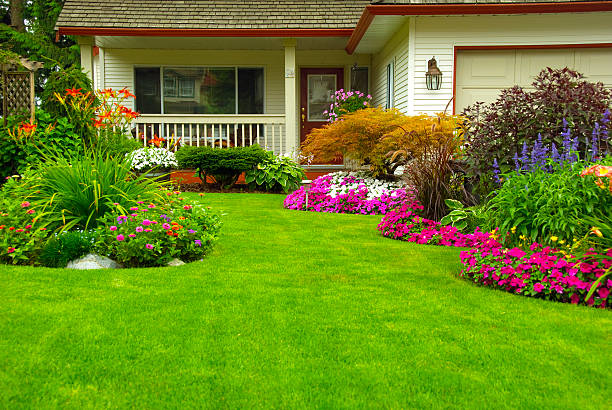
Transforming your outdoor space into a beautiful and functional landscape can seem daunting, but with the right approach, even beginners can achieve stunning results. Whether you’re working with a small backyard or a sprawling lawn, understanding the essentials of landscaping is key to creating an outdoor space that’s both inviting and sustainable. Use the following tips and tricks as your foundation for success.
Assess Your Space
Before diving into any landscaping project, it’s important to evaluate the current state of your yard. Ask yourself questions such as:
– How much sunlight does the area receive throughout the day?
– Are there any drainage issues or uneven surfaces?
– What features do you currently have, such as trees, pathways, or garden beds?
This initial assessment will help you make informed decisions about what works best for your specific space.
Establish Clear Goals
Define how you intend to use your outdoor space. Are you aiming for a family-friendly backyard with play areas? Or are you envisioning a peaceful retreat filled with greenery? Common goals may include:
– Adding curb appeal to your home.
– Creating entertainment spaces for gatherings.
– Fostering biodiversity by planting native plants and flowers.
Having clear goals will provide direction as you begin planning and designing.
Start with a Simple Design Plan
Sketch out a basic layout of how you want your landscape to look. You don’t need advanced design skills; start by outlining where elements like patios, flower beds, pathways, or water features might go. Consider dividing your yard into zones based on function – relaxation areas, gardening zones, or dining spaces.
Sample Zone Table Example:
| Zone | Purpose | Suggested Elements |
| Relaxation Zone | A tranquil space for unwinding | Hammocks, shade trees |
| Dining/Entertainment | Hosting gatherings outdoors | Patio furniture, BBQ grill |
| Gardening Zone | Growing flowers/vegetables | Raised beds |
Choose Low-Maintenance Plants
As a beginner in landscaping, opt for plants that are easy to care for and suited to your climate zone. Hardy perennials, native grasses, and drought-resistant plants are excellent choices. These options reduce maintenance time while enhancing the natural beauty of your yard.
Here are some beginner-friendly plant suggestions:
– Perennials: Lavender, Coneflower (Echinacea), Daylilies.
– Shrubs: Boxwood shrubs or Hydrangeas for year-round interest. – Ground Covers: Creeping thyme or clover to prevent weed growth naturally.
Incorporate Mulch for Simplicity
Mulch is an essential element in landscaping that boosts aesthetic appeal while improving soil health by retaining moisture and suppressing weeds. Organic mulches like bark chips or shredded leaves work well around flower beds and tree bases.
Invest in Basic Tools
Equipping yourself with essential tools makes gardening tasks easier over time without overwhelming costs upfront: – Shovel (for digging).
– Pruning shears (trimming plants).
Optional: Rake / gloves .
Getting Started with Landscapers Boston: Essential Steps for Success
Embarking on a landscaping project can seem overwhelming at first, but with a clear plan and understanding of key steps, you can create an outdoor space that’s both functional and visually appealing. Below is a guide to help you get started with landscaping, covering essential steps that will set you up for success.
Transform Your Outdoor Space with a Trusted Boston MA Landscaping Company
- Size and Layout: Measure your outdoor space to determine how much area you have to work with.
- Climate Conditions: Identify the climate zone of your region to select plants suited for local weather patterns.
- Soil Type: Test your soil’s pH balance and texture. This helps determine what kind of plants will thrive.
- Sunlight Exposure: Map out areas that receive full sun, partial shade, or full shade during the day.
A thorough assessment ensures that every decision is tailored to your property’s unique features.
Achieve Your Landscaping Vision with Expert Lawn Care Boston MA
- Creating an outdoor entertainment area (patio, firepit).
- Growing vegetables or herbs in a dedicated garden bed.
- Enhancing curb appeal with aesthetically pleasing elements like flower beds or pathways.
- Improving functionality through drainage solutions or erosion control.
Write down your objectives so they can guide each step in the process.
Create a Design Plan
| Feature | Placement Idea | Purpose |
| Pathways | Along walkable routes | Convenience and connectivity |
| Plants/Flower Beds | Around borders or focal points | Aesthetic appeal |
| Water Features | Near seating areas | Relaxation and ambiance |
| Hardscaping (e.g., patio) | Centralized location | Entertainment or social gathering |
A visual representation makes it easier to plan logistics before implementation.
For Hardscaping Elements:
- Pavers or Natural Stone – For patios and walkways; durable and classic.
- Gravel – Ideal for drainage solutions and low-maintenance pathways.
- Decking Wood – Adds warmth and elegance but may require occasional maintenance.
For Plant Elements:
- Native plants are often more resilient and require less maintenance.
- Incorporate perennials where possible for long-term cost efficiency.
Prepare Your Budget
Landscaping projects vary widely in cost depending on their complexity, size, and material choices. To stay within budget:
1. Prioritize essential elements first (e.g., irrigation systems).
2. Compare costs between multiple suppliers for materials like gravel or mulch. 3. Allocate funds for professional assistance if needed but aim for DIY options where practical.
Break Down Tasks into Phases
Instead of trying to accomplish everything at once, divide larger projects into smaller phases: 1. Install hardscape features such as patios or retaining walls first. 2. Focus on planting trees/shrubs next since they provide structure. 3. Add decorative elements like flower beds last.
Breaking down tasks prevents burnout while ensuring steady progress toward achieving your vision.
Maintain Your Landscape
Finally, don’t underestimate the importance of ongoing maintenance: – Regularly prune shrubs/trees to keep them healthy. – Apply mulching around plant bases annually. – Check irrigation systems periodically for leaks or blockages.
By following these steps thoughtfully, you’ll be better equipped to transform any outdoor space into something truly remarkable—and manageable over time.
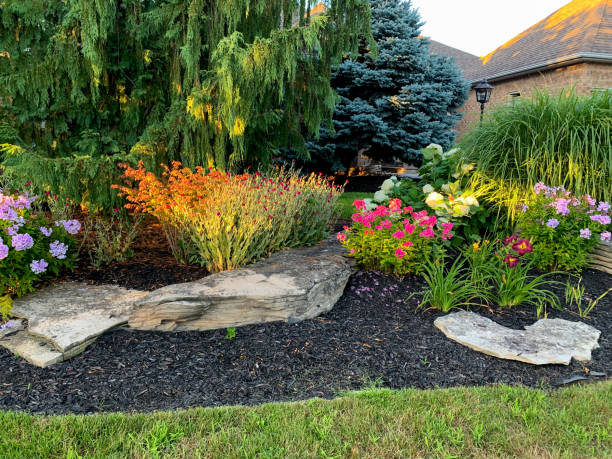
The Benefits of Using Gravel for Stunning Drainage Solutions in Your Landscape Design
Gravel is more than a practical material; it’s a versatile and attractive solution for addressing drainage issues while enhancing the overall aesthetic of your outdoor space. Whether you’re dealing with heavy rainfall, pooling water, or just want to add an elegant touch to your landscaping design, gravel offers numerous benefits.
Why Use Gravel for Drainage?
- Permeability: Gravel is highly permeable, allowing rainwater or runoff to filter into the ground rather than pooling on the surface.
- Erosion Control: By stabilizing soil and minimizing surface runoff, gravel prevents soil erosion on slopes or uneven terrains.
- Durability: Gravel is long-lasting and requires minimal maintenance over time.
- Eco-Friendly: Unlike concrete or asphalt, gravel helps recharge groundwater by facilitating natural filtration.
Applications of Gravel in Landscaping Drainage
- French drains use perforated pipes surrounded by layers of gravel to divert water away from problem areas.
- Ideal for managing water near foundations or low-lying sections of your yard.
- A dry creek bed involves arranging gravel and stone to resemble a natural streambed.
- Not only do these features manage excess water flow, but they also add visual interest to your landscape.
- Gravel walkways allow rainwater to seep into the ground instead of creating puddles on solid surfaces.
- They provide a rustic charm while serving as functional pathways.
- Placing gravel at the base of downspouts helps absorb water that might otherwise collect around your home’s foundation.
- This setup reduces the risk of structural damage caused by excess moisture.
Types of Gravel Suitable for Drainage
| Type of Gravel | Size Range | Best Uses | Aesthetic Appeal |
| Pea Gravel | 3/8 inch | Walkways, patios, garden beds | Smooth texture; neutral tones |
| Crushed Stone | 1/4–1/2 inch | French drains, retaining walls | Angular; modern look |
| River Rock | 1–3 inches | Dry creek beds, decorative accents | Rounded; natural vibe |
| Washed Clean Stone | Varies | Downspout drainage | Uniform look; clean finish |
Tips for Installing Gravel-Based Drainage Features
- Use landscaping fabric underneath the gravel layer to prevent weed growth and maintain proper filtration.
- Choose appropriately sized gravel depending on its intended application (e.g., larger stones for heavy runoff areas).
- Maintain regular upkeep by removing debris or sediment that may block water flow over time.
By integrating gravel into your landscape design, you not only address potential drainage challenges but also create an outdoor space that’s both functional and visually stunning.
Boston Landscaping: The Perfect Combination of Sand and Gravel for Functionality and Beauty
When designing a landscape, the combination of sand and gravel offers both aesthetic appeal and practical benefits. These materials are versatile, cost-effective, and environmentally friendly, making them essential components of modern landscaping. Whether you’re creating walkways, patios, or drainage solutions, sand and gravel can play a key role in elevating your outdoor space.
Benefits of Sand and Gravel in Landscaping
- Gravel is highly durable and can withstand various weather conditions without breaking down.
- Sand provides stability when used as a base layer for paving stones or bricks.
- Both sand and gravel require minimal upkeep compared to grass or plants that need regular watering or mowing.
- A quick raking or replenishment every few years is often all that’s needed to maintain their appearance.
- Gravel allows water to drain efficiently, reducing the risk of pooling or erosion in your yard.
- When paired with sand beneath it, this combination ensures excellent infiltration during heavy rains.
- Available in various colors, textures, and sizes, sand and gravel can complement any landscaping style—from modern minimalism to rustic charm.
- You can use these materials for pathways, decorative borders, raised garden beds, or zen gardens.
Pathways
- Create smooth walkways by combining fine gravel with compacted sand underneath.
- Use edging materials like bricks or wood planks to keep the gravel contained within the path edges.
Patios
- Lay a base of compacted sand before adding decorative pea gravel to create an attractive patio area.
- Choose light-colored gravel for a bright look or darker tones for an earthy feel.
Drainage Solutions
- Use coarse gravel as a base layer in areas prone to waterlogging.
- Pair it with fine-grain sand for better filtration in French drains or swales (shallow drainage ditches).
| Application | Recommended Material | Benefits |
| Pathways | Pea Gravel + Sand Base | Durable surface; easy maintenance |
| Patios | Decorative Gravel | Aesthetic appeal; weatherproof |
| Drainage Systems | Coarse Gravel + Sand | Efficient water filtration |
Tips for Incorporating Sand and Gravel into Your Landscape
- Layering Is Key: Always layer coarse materials like gravel over finer ones like sand to improve stability and drainage.
- Match Materials with Plants: For example, use light-colored gravel near drought-tolerant plants like succulents to enhance the natural look.
- Consider Edging: Keep these loose materials contained by using stone pavers, bricks, or metal edging around paths or patios.
- Regular Maintenance: Prevent weed growth by placing landscape fabric under your chosen material before installation.
By leveraging the unique attributes of sand and gravel, you can create functional yet beautiful outdoor spaces tailored to your needs while maintaining sustainability principles.
Creative Landscaping Ideas to Elevate Your Outdoor Space with Unique Materials and Designs
Transforming your outdoor space into an inviting, functional, and eye-catching area doesn’t need to involve overly complicated methods or expensive materials. By integrating creative landscaping ideas and utilizing unique materials, you can elevate the overall appeal of your property. Below are some innovative concepts to inspire your next landscaping project.
1. Utilize Reclaimed or Upcycled Materials
Incorporating reclaimed or upcycled materials into your landscape design is both environmentally friendly and budget-conscious. These materials add character and a touch of uniqueness to your space.
- Old Wooden Pallets: Use pallets to create rustic planters, outdoor seating, or garden partitions.
- Vintage Bricks: Repurpose bricks for pathways, retaining walls, or edging around flower beds.
- Repurposed Metal: Old troughs or barrels can be turned into elegant raised garden beds or water features.
2. Combine Natural Elements with Hardscaping
Blending natural elements such as plants and stones with hardscape features can create a harmonious design that is both functional and visually appealing.
- Pair flagstone pavers with moss or creeping thyme in the joints for a soft, natural-looking pathway.
- Integrate boulders into garden beds for added texture and structure.
- Use logs as stepping stones in wooded areas for a rustic touch.
| Material | Suggested Use | Benefits |
| Flagstone | Pathways | Durable and aesthetically pleasing |
| Boulders | Decorative accents | Adds depth and height |
| Logs | Stepping stones | Budget-friendly rustic appeal |
3. Experiment with Gravel Design Patterns
Gravel is not only practical but also versatile when it comes to landscaping. Create intricate designs by combining different gravel colors and sizes.
- Use contrasting gravel shades to create geometric patterns in walkways.
- Layer gravel around plants in varying sizes for better visual interest while improving drainage.
- Incorporate gravel mosaics as focal points within patios or courtyards.
4. Add Edgy Vertical Gardens
Vertical gardens are perfect for small spaces or homeowners looking to add greenery without consuming much ground area. They not only maximize space but also serve as living art pieces.
Some creative vertical garden options include: – Wall-mounted planters filled with herbs or succulents. – Using lattice panels covered in climbing vines like clematis or morning glory. – Hanging terracotta pots on fences for a layered plant display effect.
5. Illuminate Your Landscape Thoughtfully
Lighting plays an essential role in transforming your outdoor space after sundown while emphasizing its best features during night hours.
- Install LED strip lights under benches for subtle illumination.
- Place solar-powered lanterns along pathways for eco-friendly lighting solutions.
- Uplight trees using spotlights to highlight their structure at night.
| Area | Suggested Lighting Type |
| Pathways | Solar-powered stake lights |
| Trees | Spotlights |
| Water Features | Submersible LED lights |
Using these creative landscaping ideas not only enhances functionality but also improves the aesthetic appeal of any outdoor space. Whether you’re working with a large backyard or a small patio area, blending unique designs with carefully chosen materials ensures that your landscape will leave a lasting impression on anyone who visits it.
- Expert Tips for Choosing the Best Boston Landscaping Company for Your Outdoor Needs
- Boston MA Landscaper: A Comprehensive Guide to Landscaping for Beginners
- The Ultimate Guide to Boston Landscaping Services for Your Property
- How to Choose the Right Boston Landscaping Company Tailored to Your Needs
- When to Hire a Professional for Your Boston Landscaping Needs
- Transform Your Outdoor Space with Tips from a Boston MA Landscaper
- How Busy Homeowners Can Achieve a Beautiful and Well-Designed Boston Landscaping
- How Professional Lawn Care Boston MA Services Can Save You Time and Money
- The Ultimate Guide to Boston Landscaping and Lawn Care Techniques