
Landscaping is an essential element of property maintenance and enhancement, offering aesthetic appeal, functionality, and value to outdoor spaces. For beginners, landscaping can seem overwhelming with its variety of tools, techniques, and design principles. However, a structured approach can simplify the process and turn your outdoor area into a beautiful and practical extension of your home.
Understanding the Basics of Landscaping
- Softscaping refers to living elements such as plants, trees, grass, and flowers.
- Hardscaping involves non-living elements like pathways, patios, retaining walls, and decorative features.
- Space Planning: Begin by assessing the size of your yard or garden. Identify areas for planting beds, pathways, seating zones, or water features based on your lifestyle needs.
- Climate Considerations: Choose plants that thrive in your region’s climate zone to ensure longevity and reduce maintenance efforts.
Key Steps for Beginners in Landscaping
- Measure dimensions accurately.
- Observe sunlight patterns throughout the day to determine shaded versus sunny spots.
- Identify soil type (clay-heavy soil retains water; sandy soil drains quickly).
- Set Goals for Your Landscape
Define what you want from your landscape: - A lush garden with vibrant blooms?
- Functional areas like patios or play zones?
- Low-maintenance designs?
- Start Small
It’s easy to get excited about transforming an entire yard at once but starting small can help you manage costs and experience gradual progress. - Invest in Essential Tools
Beginners should prioritize these basic tools: | Tool Name | Purpose | Estimated Cost ($) | |——————–|———————————–|——————–| | Pruning Shears | Trimming plants | 15–30 | | Spade/Shovel | Digging holes & planting | 20–40 | | Hose with Nozzle | Watering | 25–50 | | Rake | Clearing debris | 10–25 | | Wheelbarrow | Transporting materials | 75–150 | - Plan a Plant Palette
Choose plant varieties that match your goals: - For colorful landscapes: Marigolds, petunias, tulips.
- For low-maintenance gardens: Succulents like aloe vera or drought-resistant shrubs.
- For privacy hedges: Bamboo or arborvitae trees.
Tips for Maintaining Your First Landscape
- Watering: Avoid overwatering; most plants require only moderate hydration based on temperature levels.
- Mulching: Applying organic mulch protects plant roots from extreme temperatures while reducing weed growth.
- Seasonal Care: Prune trees/shrubs during dormant seasons (late winter/early spring) to encourage healthy regrowth.
- Regular Weeding: Eliminate weeds promptly before they compete with desired plants.
The Benefits of Effective Landscaping
| Benefit | Description |
| Increased Property Value | Homes with appealing landscapes sell faster |
| Improved Air Quality | Greenery filters pollutants from surrounding air |
| Enhanced Well-being | Being outdoors reduces stress & improves mood |
With patience and attention to detail as guiding principles during this beginner phase — landscaping becomes less intimidating while yielding rewarding results over time.
How to Avoid Pricey Mistakes by Hiring Professional Landscapers Boston Residents Trust
Creating a beautiful landscape can be a rewarding endeavor, but without careful planning and execution, it’s easy to make costly mistakes. To help you design and maintain an outdoor space that suits your taste and budget, here are some practical tips for avoiding common pitfalls while maximizing your investment.
Tips from a Boston MA landscaping company on understanding your landscape before starting
- Climate: Consider the local weather patterns and seasonal changes in your region.
- Soil Type: Perform a soil test to understand its composition (e.g., sandy, clay, or loamy) and pH level.
- Drainage: Monitor how water flows during rainfall; poor drainage can lead to erosion or plant damage.
- Sunlight Exposure: Take note of areas that receive full sun, partial shade, or full shade.
By analyzing these factors upfront, you can select appropriate plants, structures, and materials that thrive in your environment.
Expert Tips for Lawn Care Boston MA: Plan Before You Plant
- Create a Blueprint: Draft a detailed sketch of your desired layout, including walkways, garden beds, seating areas, and focal points.
- Set Priorities: Identify must-have features (e.g., patio space or water elements) versus optional updates.
- Consider Future Growth: Account for how trees and shrubs will grow over time to avoid overcrowding or interference with structures like fences or power lines.
A well-thought-out plan ensures that every element fits harmoniously into the overall design.
Invest in Quality Materials
| Feature | Recommended Material | Benefits |
| Walkways & Patios | Pavers or natural stone | Low maintenance; long-lasting |
| Fencing | Weather-resistant wood or vinyl | Durable; aesthetic appeal |
| Outdoor Furniture | Teak wood or powder-coated metal | Resistant to rust/weathering |
Spending slightly more on quality products today can save you money down the road.
Avoid Overplanting
- Follow guidelines for recommended spacing between plants.
- Group plants with similar water needs together (a concept called hydrozoning).
- Favor native species over exotic ones as they require less upkeep.
This approach promotes both cost-efficiency and sustainability in your landscape design.
Hire Professionals When Needed
For complex tasks such as installing irrigation systems or building hardscapes like retaining walls, it’s often best to consult professional landscapers. Qualified experts ensure proper execution while potentially saving you money by preventing costly mistakes.
When selecting a contractor: 1. Verify licenses and certifications. 2. Request references from past clients. 3. Compare quotes from multiple providers without compromising on quality.
Investing in professional expertise where necessary helps protect the value of your landscaping project.
Maintain Your Landscape Regularly
- Mulch flower beds annually to retain moisture and suppress weeds.
- Prune trees and shrubs seasonally to encourage healthy growth.
- Clean hardscape surfaces periodically with appropriate cleaning agents.
Regular upkeep extends the life of your landscape while keeping it visually appealing year-round.
By following these strategies—careful planning, wise material choices, proper plant placement, expert input when needed, and consistent maintenance—you can create an outdoor space that enhances both beauty and property value without unnecessary expenses.
How to Avoid Pricey Landscaping Mistakes and Maximize Your Investment
Investing in landscaping can significantly enhance the beauty, functionality, and value of your property. However, without proper planning or knowledge, it’s easy to make costly mistakes that hurt your budget and fail to deliver desired results. Below are practical tips to help you avoid expensive errors while ensuring every dollar spent contributes effectively to your outdoor vision.
Plan Before You Plant
One of the most common landscaping mistakes is diving into projects without a comprehensive plan. Proper planning helps you avoid unnecessary purchases and ensures your design aligns with long-term goals.
Key considerations when planning: – Assess Your Space: Understand the layout, soil condition, sunlight exposure, and drainage patterns of your property. – Set a Budget: Establish a realistic budget that accounts for materials, labor costs, and potential maintenance. – Create a Design Layout: Sketch a blueprint or hire a professional designer for precision. – Prioritize Features: Identify must-have elements (e.g., patios, water features) versus optional upgrades.
Choose the Right Plants
Selecting inappropriate plants for your region or soil type can lead to wasted investment when they fail to thrive. Ensure you make informed decisions by understanding plant requirements.
Tips for choosing plants wisely: – Opt for native species suited to your local climate. – Consider maintenance needs such as watering frequency and pruning. – Mix evergreen shrubs with seasonal blooms for year-round appeal. – Avoid invasive plants that could disrupt your garden ecosystem.
Example Table:
| Plant Type | Best Use | Maintenance Level | Climate Preference | |——————-|—————————|——————-|———————-| | Native Perennials | Flower beds | Low | Varies by location | | Ornamental Grasses| Borders & fillers | Low | Full sun | | Evergreen Trees | Privacy screens | Medium | Cold-hardy zones |
Avoid Overlooking Maintenance Costs
A lush landscape requires upkeep. Ignoring ongoing maintenance expenses can strain finances over time. Make sure you account for these costs from day one.
Common maintenance tasks include: – Lawn mowing – Fertilizing and aerating – Pruning trees and shrubs – Irrigation system repairs
To reduce upkeep costs: 1. Use mulch around plants to retain moisture and reduce weed growth. 2. Invest in drought-tolerant plants if water conservation is a priority. 3. Incorporate hardscaping (e.g., rocks or gravel) in areas where grass may struggle to grow.
Work with Professionals When Needed
Some aspects of landscaping demand expertise beyond DIY capabilities, especially large-scale projects involving grading or irrigation systems. Hiring professionals may seem more expensive upfront but often saves money by avoiding costly errors.
When should you hire professionals? – Installing retaining walls or complex hardscaping features – Designing intricate water systems like fountains or ponds – Conducting tree removal or planting large specimens
Final Thoughts
Strategic planning paired with thoughtful decision-making helps prevent overspending on landscaping projects while delivering long-term value. By choosing appropriate designs, sustainable plant selections, and professional services when necessary, you can create an outdoor space that meets both aesthetic goals and functional needs—all within your budget.
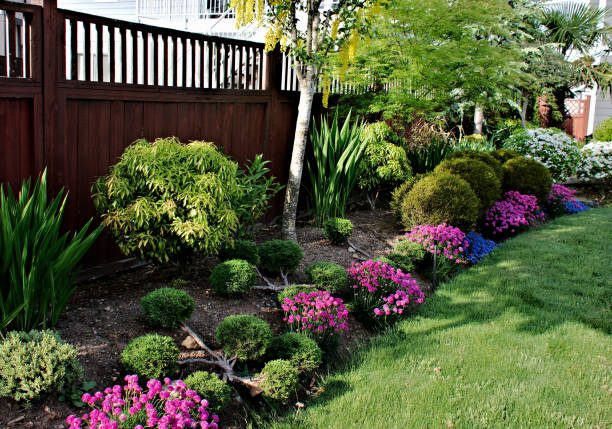
Transform Your Yard with Boston Landscaping and Your Favorite Plants
Creating a landscape design that reflects your personal style and preferences can transform any outdoor space into a sanctuary. Incorporating your favorite plants not only adds a personal touch but also ensures that your garden is a place you love spending time in. Here’s how you can design the perfect landscape while highlighting your favorite plants.
Assess Your Space and Conditions
Before selecting plants, it’s essential to evaluate the specific conditions of your outdoor area. Consider factors such as:
– Sunlight Exposure: Determine whether your space gets full sun, partial shade, or full shade throughout the day.
– Soil Type: Is the soil sandy, loamy, or clay-heavy? Conducting a soil test can help you understand its pH and nutrient levels.
– Climate Zone: Consult a hardiness zone map to understand which plants grow best in your region.
By understanding these elements, you’ll be better equipped to choose plants that will thrive in your environment.
Choose Plants That Reflect Your Style
- Anchor with Focal Plants:
Select one or two statement plants that serve as focal points for your design. These could be dramatic trees like Japanese maples or shrubs with unique foliage like hydrangeas. - Layered Planting Design:
Arrange plants in layers for depth and visual interest: - Tall species (e.g., ornamental grasses) at the back
- Medium-height flowers in the middle
- Ground covers like creeping thyme at the front
- Complementary Colors:
Pair flower colors with complementary hues for a cohesive look: | Flower Color | Complementary Pair | Example Plants | |————–|——————–|——————————-| | Purple | Yellow | Lavender & Black-eyed Susan | | Red | Green | Roses & Ferns | | White | Blue | White Daisies & Blue Salvia |
Integrate Native and Low-Maintenance Plants
If you have specific favorite exotic plants, balancing them with native species ensures sustainability while reducing maintenance needs. Native plants are well-adapted to local conditions and often support pollinators like bees and butterflies.
Benefits of Native Plants:
- Require less water than non-native species
- Adapted to resist local pests
- Foster biodiversity in the ecosystem
For example, if you adore roses (which may require extra care), consider pairing them with hardy native grasses or wildflowers for contrast and ease of upkeep.
Plan Seasonal Interest
Integrating different types of plants ensures year-round beauty in your garden: – Spring: Tulips, daffodils, cherry blossoms – Summer: Sunflowers, marigolds, daylilies – Autumn: Maples for foliage color; asters for blooms – Winter: Evergreen trees or shrubs like boxwood
This strategy guarantees there’s always something flourishing in every season while showcasing plant diversity.
Make Space Functional with Edible Landscaping
If edible gardening excites you, consider incorporating fruit-bearing trees or herbs into your design: – Plant rosemary and lavender along paths for fragrance. – Use berry bushes like blueberries as hedges. – Add an apple tree as both a shade-giving feature and source of fresh fruit.
This approach allows functionality while maintaining aesthetic appeal.
Incorporating cherished plants into landscaping doesn’t just create beautiful designs; it also builds emotional connections with one’s outdoor environment. By balancing personal favorites with sustainable practices and strategic planning techniques, you can achieve a meaningful yet functional landscape tailored entirely to you.
15 Simple But Effective Modern Landscaping Ideas for a Timeless Look
Modern landscaping is all about clean lines, minimalism, and functionality while maintaining visual appeal. Whether you’re a homeowner looking to refresh your outdoor space or a business owner aiming to impress clients, these modern landscaping ideas are simple yet effective. Below are 15 timeless concepts that can transform your yard into a stunningly sleek and stylish area.
1. Use Neutral Hardscaping Materials
Opt for materials like concrete, slate, or neutral-colored pavers to create walkways or patios. These materials provide a clean backdrop that complements lush greenery and modern architecture.
2. Incorporate Symmetry
Designing symmetrical plant arrangements or pathways can add balance and structure to your outdoor space. This technique creates harmony while keeping the landscape visually appealing.
3. Create Defined Edges
Use metal edging or clean-cut stone borders around garden beds, pathways, or lawns. Defined edges give your outdoor area a polished and contemporary look.
4. Add Vertical Gardens
Save space while adding greenery with vertical gardens. Wall-mounted planters or trellises covered with climbing plants like ivy bring depth and texture to any modern design.
5. Install Sleek Water Features
Modern water features such as minimalist fountains or geometric reflecting pools add an elegant touch without overwhelming the space.
| Water Feature Style | Description |
| Minimalist Fountain | Simple design with clean lines |
| Reflecting Pool | Shallow pool for aesthetic appeal |
| Water Wall | Vertical flow for subtle ambiance |
6. Embrace Native Plants
Choose native plants that thrive in your region’s climate to reduce maintenance needs while promoting sustainability.
7. Mix Grasses With Gravel
Replace traditional lawns with gravel paired with ornamental grasses for a low-maintenance yet stylish appearance.
8. Outdoor Lighting Enhancements
Strategically place LED lights along walkways, trees, or water features to highlight key areas and create ambiance after dark.
- Pathway lights: Enhance safety and visibility.
- Uplights: Highlight tall trees.
- String lights: Add warmth near seating areas.
9. Use Geometric Shapes in Design
Incorporate square or rectangular shapes into patios, garden beds, and furniture arrangements for a sharp modern aesthetic.
10. Focus on Functionality With Built-In Seating
Integrate built-in benches made of wood, stone, or concrete into retaining walls or patio designs for practical use without compromising style.
11. Opt for Low-Maintenance Ground Covers
Replace high-maintenance grass with low-growing ground covers like creeping thyme or sedum to achieve greenery without constant upkeep.
12. Combine Wood Elements With Metal Accents
Mix natural wood tones with steel planters or aluminum fencing for contrast that feels both organic and industrially chic.
13. Mulch With Black Rocks or Gravel
Instead of traditional mulch options like bark chips, use black rocks or dark gravel around shrubs and plants for sleek finishing touches.
14. Introduce Sculptural Elements
Add contemporary sculptures made of metal, glass, or stone as focal points within your landscape design without cluttering the space.
| Material | Benefit |
| Metal | Weather-resistant durability |
| Glass | Reflects light beautifully |
| Stone | Timeless natural texture |
15. Keep It Minimalist With Open Spaces
Avoid overcrowding by leaving open patches of grass or hardscaping elements to maintain simplicity while emphasizing key features in the landscape design.
By implementing these ideas thoughtfully, you can achieve an effortlessly modern look that remains timeless year after year—all while staying functional and inviting for any occasion outdoors.
- Expert Tips for Choosing the Best Boston Landscaping Company for Your Outdoor Needs
- Boston MA Landscaper: A Comprehensive Guide to Landscaping for Beginners
- The Ultimate Guide to Boston Landscaping Services for Your Property
- How to Choose the Right Boston Landscaping Company Tailored to Your Needs
- When to Hire a Professional for Your Boston Landscaping Needs
- Transform Your Outdoor Space with Tips from a Boston MA Landscaper
- How Busy Homeowners Can Achieve a Beautiful and Well-Designed Boston Landscaping
- How Professional Lawn Care Boston MA Services Can Save You Time and Money
- The Ultimate Guide to Boston Landscaping and Lawn Care Techniques